• Zum Hauptinhalt springen
  • Zum Footer springen
  • Deutsch - de
  • English - en

    Comprehensiv...
    • Clinical research
      • Interdisciplinary pediatric study center (Hauner iPSC)
      • Ped-COVID-19 Study
      • Michael Albert
      • Scivias Study
      • TRACE Study
      • ImmGenDC Study
      • Hematology/Oncology/Coagulation
    • Research Labs
      • Binder Lab
      • Bohlen Lab
      • Braun Lab
      • Gaertner Lab
      • Griese Lab
      • Hauck Lab
      • Hübner Lab
      • Jeremias lab
      • Kim-Hellmuth Lab
      • Klein Lab
      • Koletzko Lab
      • Kotlarz Lab
      • Lange-Sperandio Lab
      • von Mutius Lab
      • Nußbaum Lab
      • Rosenecker Lab
      • Schaub Lab
      • Schmid Lab
      • Schwerd Lab
    • PhD Program
    • Technology platforms
      • Bioinformatics
      • Flow Cytometry
      • High throughput sequencing
      • Microscopy
      • Pre-GMP Facility
      • Mass spectrometry
      • Hauner Biobank
      • Organoid Lab
      • Humangenetik am Hauner
    • News/Events
      • News
      • Rare Disease Day
      • ECHO-Meeting
      • Meinhard von Pfaundler-Lectures
      • Klaus Betke Symposium
    • Join us!
    1. CCRC-HaunerEN
    2. Research Labs
    3. Kotlarz Lab

    Kotlarz Lab

    Decoding disease signatures of Pediatric IBD - A system biology-driven approach

    • Research topics

      • Genetic signatures in pediatric inflammatory bowel disease
      • Transcriptional networks in pediatric inflammatory bowel disease
      • Mucosal Immunology 
      • Preclinical Models of inflammatory bowel disease

      Dr. med. Daniel Kotlarz, PhD 

      ✉   daniel.kotlarz@med.uni-muenchen.de

      ☎  +49-89-4400-53123

    • The mission of our research group is to explore the molecular causes in children with very early onset inflammatory bowel disease (VEO-IBD), a life-threatening condition. In particular, our laboratory focuses on decoding genetic and immune signatures of VEO-IBD by employing omics-based technologies and advanced preclinical models. We propose that our studies will lead to new insights into disease pathogenesis, diagnosis, and treatment for children with this intractable disease.

      Background


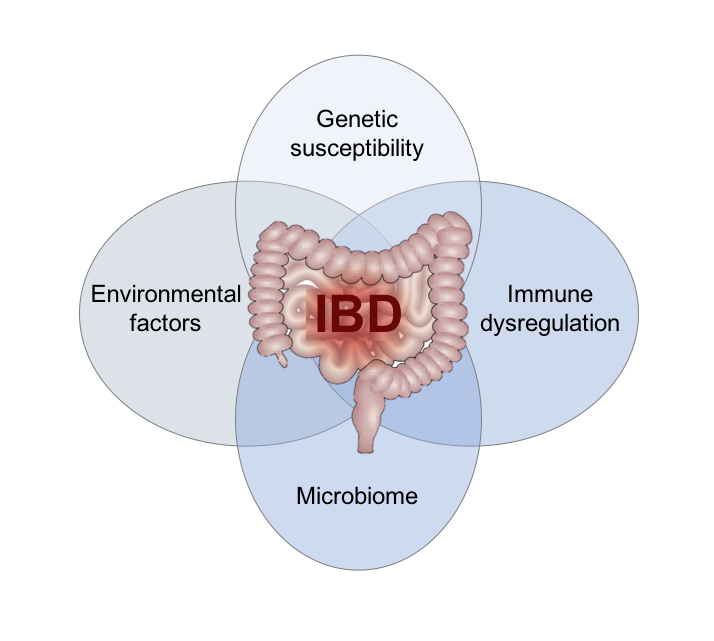
      Inflammatory bowel disease is a multifactorial disorder of the digestive tract triggered by environmental factors, immune dysfunctions, defective epithelial barrier function, and imbalances of the microbial flora in genetically susceptible individuals.

      About 20% of patients with IBD are diagnosed during childhood and adolescents. Children with very early onset inflammatory bowel diseases (VEO-IBD, age of onset <6 years) often show severe and life-threatening conditions refractory to conventional treatment.

      Paradigmatic studies by our laboratory have shown that VEO-IBD can be caused by monogenic IL-10R defects (Glocker et al, New Engl J Med 2009). Based on the knowledge of the underlying molecular etiology, IL-10R-deficient patients could be treated with allogeneic hematopoietic stem cell transplantation, an innovative therapeutic approach for defined patients with IBD (Kotlarz et al, Gastroenterology 2012). This prime example of translational research demonstrated the importance of genetic diagnostics for the clinical management of VEO-IBD patients and highlighted that rare variants of IBD represent exquisite models to identify key molecular factors controlling intestinal homeostasis.

      The overall goal of our laboratory is to explore the molecular pathomechanisms of VEO-IBD in order to develop novel diagnostic tools and therapies for children with intractable colitis.

      Unravelling genetic signatures of pediatric IBD

      In collaboration with our partners in Boston (Dr. Scott Snapper) and Toronto (Dr. Aleixo Muise), we have established an international VEO-IBD consortium that will be supported by world experts in the field of immunology, genetics, genetic engineering, gastroenterology, intestinal stem cell biology, microbiomics and bioinformatics.

      To elucidate novel genetic signatures of VEO-IBD, we have established collaborations to more than 150 international clinical institutes and systematically screened one of the largest international cohorts of VEO-IBD by employing state-of-the-art next-generation sequencing. As proof-of-principle, our laboratory has characterized first VEO-IBD patients with TGFB1 (Kotlarz et al., Nat Genet 2018), CASP8 (Lehle et al., Gastroenterology 2019), and RIPK1 (Li et al., PNAS 2019) deficiency. Our computational analysis has also unraveled several novel candidate genes that might be implicated in the pathogenesis of VEO-IBD.

      We will analyze the molecular pathomechanisms of newly identified sequence variants by employing various experimental models (patient samples, heterologous model systems, mouse models) and state-of-the-art molecular and cell biological technologies.

      Decoding transcriptional networks of pediatric IBD


      Despite advances in genome-wide sequencing, >75 % of VEO-IBD patients lack definitive genetic diagnosis. In addition, the disease mechanisms of most known genetic entities of VEO-IBD remain largely elusive and need to be further defined in order to develop personalized therapies.

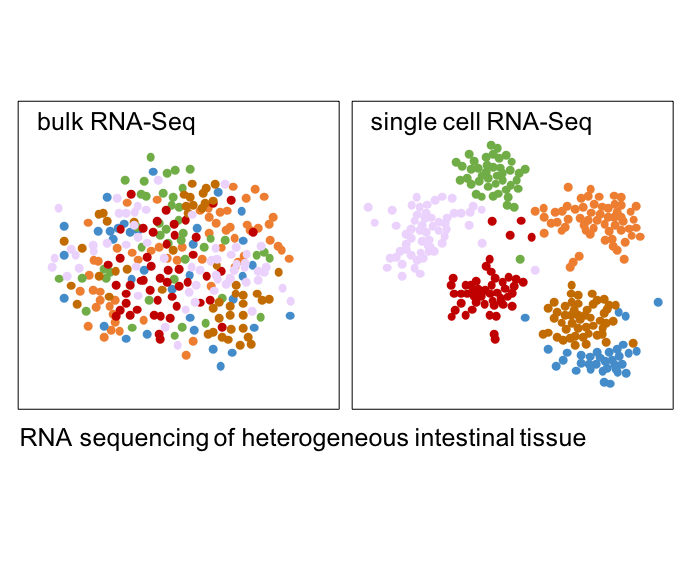
      Intestinal inflammation is likely driven by alterations in tissue composition and cell-intrinsic cellular programs. In the past, transcriptomics studies have been hampered by analysis of bulk samples across entire tissues. We postulate that innovative single cell genomic analysis will allow comprehensive mapping of known and previously uncharacterized epithelial, stromal, and immune cell types as well as transcriptional disease states in complex intestinal tissues of VEO-IBD patients. Unbiased and multidimensional single cell transcriptomic data will facilitate the discovery of dysregulated inflammatory expression programs, thus providing critical insights into disease etiology and highlighting new therapeutic interventions.

      Application of preclinical models of IBD

      To dissect the molecular pathomechanisms of VEO-IBD, our laboratory has established an experimental platform to (i) conduct state-of-the-art assays on primary patients’ cells, (ii) patient-derived induced pluripotent stem cells and intestinal 3D mini guts (intestinal organoids), (iii) generate heterologous cellular models by genetic engineering (lentiviral gene transfer, CRISPR/Cas9), and (iv) analyze patient-derived humanized mouse models by cutting-edge cell biology, biochemical and immunological assays.

      Humanized Mouse Models

      Studies on primary patients’ cells are limited by access and knockout mouse models might have inherent limitations on extrapolating findings to human. Alternatively, humanized mice reconstituted with patient-derived cells are powerful tools for basic and applied human disease research. 

      Intestinal Organoids

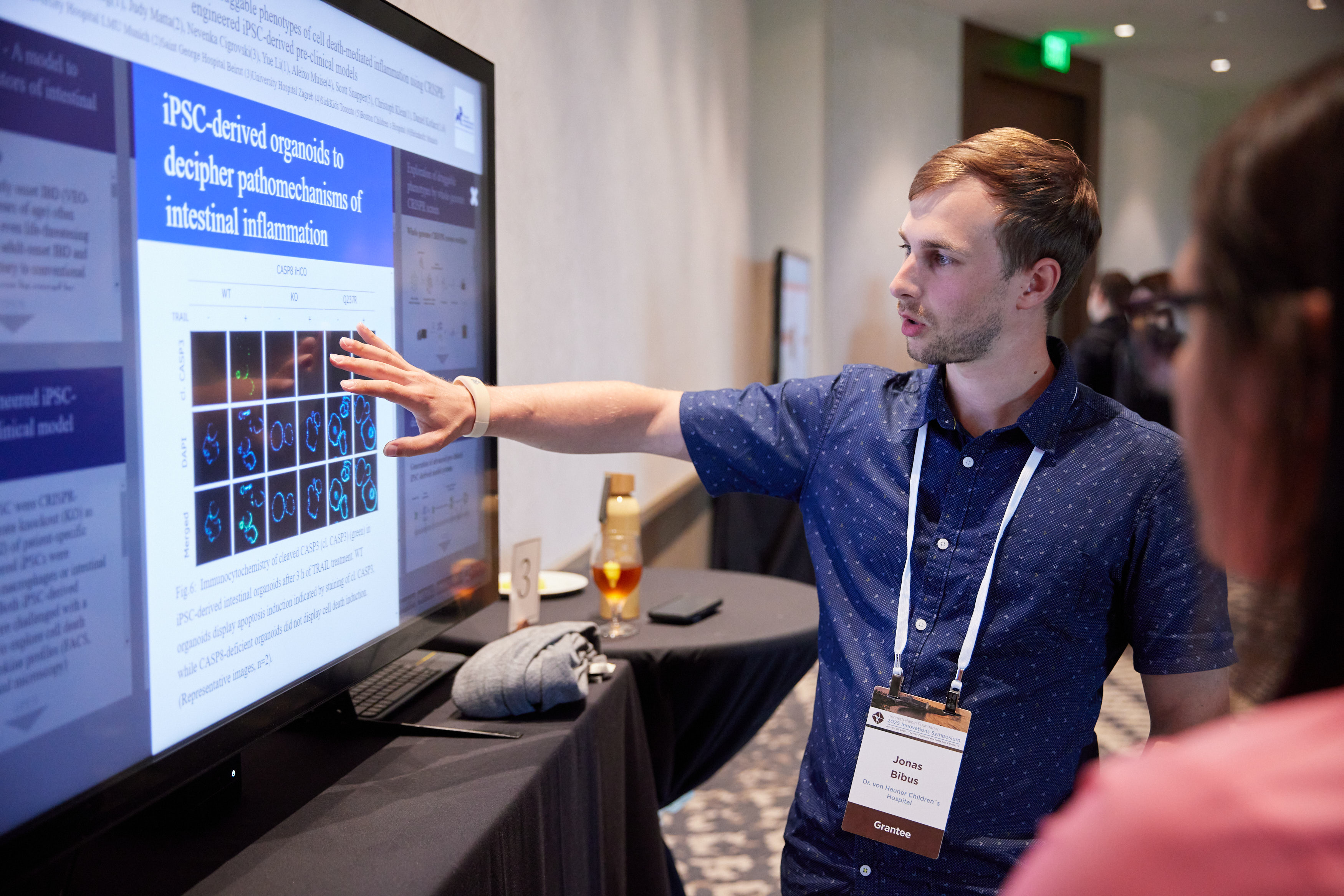
      Intestinal organoid cell lines represent a cutting-edge 3D “mini-gut“-system with in vivo phenotypical characteristics allowing sophisticated studies on genetics, epigenetics, proteomics, and cell biology in intestinal epithelial cells from children with VEO-IBD.


      Development of personalized therapies


      The overall goal of our research is to advance the understanding of key factors in IBD pathogenesis by employing omics-based technologies and preclinical disease models. This knowledge provides the groundwork for the development of personalized therapies in order to improve life quality for children suffering from life-threatening diseases.

    • Jonas Bibus

      Jonas Bibus, M.Sc.

      Doctoral Researcher (PhD track)

      ✉ Jonas Bibus

      ☎ 089-4400-57985, Room: K0.02

      Alina Hundt

      Alina Hundt

      Doctoral Researcher (MD)

      ✉ Alina Hundt

      Room: K0.01

      Natsuki Ito

      Dr. med. Natsuki Ito 

      Research Fellow

      ✉ Natsuki Ito

      Room: K0.01

      Yuhan Jia

      Yuhan Jia

      Bioinformatician 

      ✉ Jia Yuhan

      Waltherstraße 23

      Marina Kreuzeder

      Marina Kreuzeder, PhD

      Scientific Project Manager

      ✉ Marina Kreuzeder

      ☎ 089-4400-57359, Room: K0.07

      Jiahui Ma

      Jiahui Ma

      Doctoral Researcher (PhD)

      ✉ Jiahui Ma

      Room: K0.01

      Xiang Shen

      Xiang Shen, M.Sc.

      Doctoral Researcher (PhD track)

      ✉ Xiang Shen

      ☎ 089-4400-57980, Room: K0.13

      Jorge Vincentelli

      Jorge Vincentelli

      Doctoral Researcher (PhD track)

      ✉ Jorge Vincentelli

      ☎ 089-4400-57980

      Wing Yin Yeung

      Wing Yin Yeung, M.Sc. 

      Doctoral Researcher (PhD track)

      ✉ Wing Yeung

      ☎ 089-4400-57980, Room: K0.01

       Madleen Biggel

      Madleen Biggel, M.Sc. 

      Doctoral Researcher (PhD track)

      ✉ madleen biggel

      ☎ 089-4400-57980, Room: K0.01


      David Illig

      David Illig, PhD.

      Post-Doc

      ✉ David Illig

      ☎ 089-4400-57985, Room: K0.02

      Daniel Kotlarz

      Dr. med. Daniel Kotlarz, PhD 

      Principal Investigator

      ✉ Daniel Kotlarz

      ☎ 089-4400-57984, Room: K0.05

      Christopher Lance

      Christopher Lance, M.Sc. 

      Doctoral Researcher (PhD track)

      Co-advised with Prof. Dr. Fabian Theis

      ✉ Christopher Lance, Room: K0.25

      Mina Pellegrini

      Mina Pellegrini, PhD

      Research assistant

      ✉ Mina Pellegrini

      ☎ 089-4400-57980, Room: K0.01

      Zeynep Ünal

      Zeynep Ünal, M.Sc. 

      Doctoral Researcher (PhD track)

      ✉ Zeynep Uenal

      ☎ 089-4400-57980, Room: K0.01

      Benjamin Weinert

      Benjamin Weinert, M.Sc.

      Doctoral Researcher (PhD track)

      Co-supervised by Dr. C. Marr

      ✉ Benjamin Weinert

      Helmholtz Institute

      Zhengyuan Xue

      Zhengyuan Xue, M.Sc. 

      Doctoral Researcher (PhD track)

      Co-advised with Prof. Dr. Fabian Theis

      ✉ Zhengyuan Xue

      Room: K0.25

      Ziqi Yu

      Ziqi Yu

      Doctoral Researcher (PhD track)

      ✉ Ziqi Yu

      ☎ 089-4400-57980, Room: K0.01

    • Selected Publications

      Valosin-containing protein-regulated endoplasmic reticulum stress causes NOD2-dependent inflammatory responses. Ghalandary M, Li Y, Fröhlich T, Magg T, Liu Y, Rohlfs M, Hollizeck S, Conca R, Schwerd T, Uhlig HH, Bufler P, Koletzko S, Muise AM, Snapper SB, Hauck F, Klein C, Kotlarz D (2022). Sci Rep 12, 3906.


      NOX1 Regulates Collective and Planktonic Cell Migration: Insights From Patients With Pediatric-Onset IBD and NOX1 Deficiency.
      Khoshnevisan R, Anderson M, Babcock S, Anderson S, Illig D, Marquardt B, Sherkat R, Schröder K, Moll F, Hollizeck S, Rohlfs M, Walz C, Adibi P, Rezaei A, Andalib A, Koletzko S, Muise AM, Snapper SB, Klein C, Thiagarajah JR, Kotlarz D (2020).  Inflamm Bowel Dis.  17.


      Dysregulation of Cell Death in Human Chronic Inflammation.
      Li Y, Klein C, Kotzlarz D (2020). Cold Spring Harb Perspect Biol. 12.

      Human RIPK1 deficiency causes combined immunodeficiency and inflammatory bowel diseases.
      Li Y, Fuhrer M, Bahrami E, Socha P, Klaudel-Dreszler M, Bouzidi A, Liu Y, Lehle AS, Magg T, Hollizeck S, Rohlfs M, Conca R, Field M, Warner N, Mordechai S, Shteyer E, Turner D, Boukari R, Belbouab R, Walz C, Gaidt MM, Hornung V, Baumann B, Pannicke U, Al Idrissi E, Ali Alghamdi H, Sepulveda FE, Gil M, de Saint Basile G, Honig M, Koletzko S, Muise AM, Snapper SB, Schwarz K, Klein C, and Kotlarz D (2019). Proc Natl Acad Sci U S A 116, 970-975.

      Intestinal Inflammation and Dysregulated Immunity in Patients With Inherited Caspase-8 Deficiency.
      Lehle AS, Farin HF, Marquardt B, Michels BE, Magg T, Li Y, Liu Y, Ghalandary M, Lammens K, Hollizeck S, Rohlfs M, Hauck F, Conca R, Walz C, Weiss B, Lev A, Simon AJ, Gross O, Gaidt MM, Hornung V, Clevers H, Yazbeck N, Hanna-Wakim R, Shouval DS, Warner N, Somech R, Muise AM, Snapper SB, Bufler P, Koletzko S, Klein C, and Kotlarz D (2019). Gastroenterology 156, 275-278.

      Human TGF-beta1 deficiency causes severe inflammatory bowel disease and encephalopathy.
      Kotlarz D, Marquardt B, Baroy T, Lee WS, Konnikova L, Hollizeck S, Magg T, Lehle AS, Walz C, Borggraefe I, Hauck F, Bufler P, Conca R, Wall SM, Schumacher EM, Misceo D, Frengen E, Bentsen BS, Uhlig HH, Hopfner KP, Muise AM, Snapper SB, Stromme P, and Klein C (2018). Nat Genet 50, 344-348.

      Loss-of-function mutations in the IL-21 receptor gene cause a primary immunodeficiency syndrome.
      Kotlarz D, Zietara N, Uzel G, Weidemann T, Braun CJ, Diestelhorst J, Krawitz PM, Robinson PN, Hecht J, Puchalka J, Gertz EM, Schaffer AA, Lawrence MG, Kardava L, Pfeifer D, Baumann U, Pfister ED, Hanson EP, Schambach A, Jacobs R, Kreipe H, Moir S, Milner JD, Schwille P, Mundlos S, and Klein C (2013). J Exp Med 210, 433-443.

      Loss of interleukin-10 signaling and infantile inflammatory bowel disease: implications for diagnosis and therapy.
      Kotlarz D, Beier R, Murugan D, Diestelhorst J, Jensen O, Boztug K, Pfeifer D, Kreipe H, Pfister ED, Baumann U, Puchalka J, Bohne J, Egritas O, Dalgic B, Kolho KL, Sauerbrey A, Buderus S, Gungor T, Enninger A, Koda YK, Guariso G, Weiss B, Corbacioglu S, Socha P, Uslu N, Metin A, Wahbeh GT, Husain K, Ramadan D, Al-Herz W, Grimbacher B, Sauer M, Sykora KW, Koletzko S, and Klein C (2012). Gastroenterology 143, 347-355.

      Inflammatory bowel disease and mutations affecting the interleukin-10 receptor.
      Glocker EO, Kotlarz D, Boztug K, Gertz EM, Schaffer AA, Noyan F, Perro M, Diestelhorst J, Allroth A, Murugan D, Hatscher N, Pfeifer D, Sykora KW, Sauer M, Kreipe H, Lacher M, Nustede R, Woellner C, Baumann U, Salzer U, Koletzko S, Shah N, Segal AW, Sauerbrey A, Buderus S, Snapper SB, Grimbacher B, and Klein C (2009). N Engl J Med 361, 2033-2045.


      Please refer to the complete list of published work in my bibliography.


    • We are looking constantly for motivated individuals to join our research group

      • undergraduate students (Bachelor / Master),
      • doctoral researchers
      • especially in the fields: Life Science and Bioinformatics

      If you are interested, please send your application (incl. CV, motivation letter and references) per e-mail to Daniel Kotlarz.

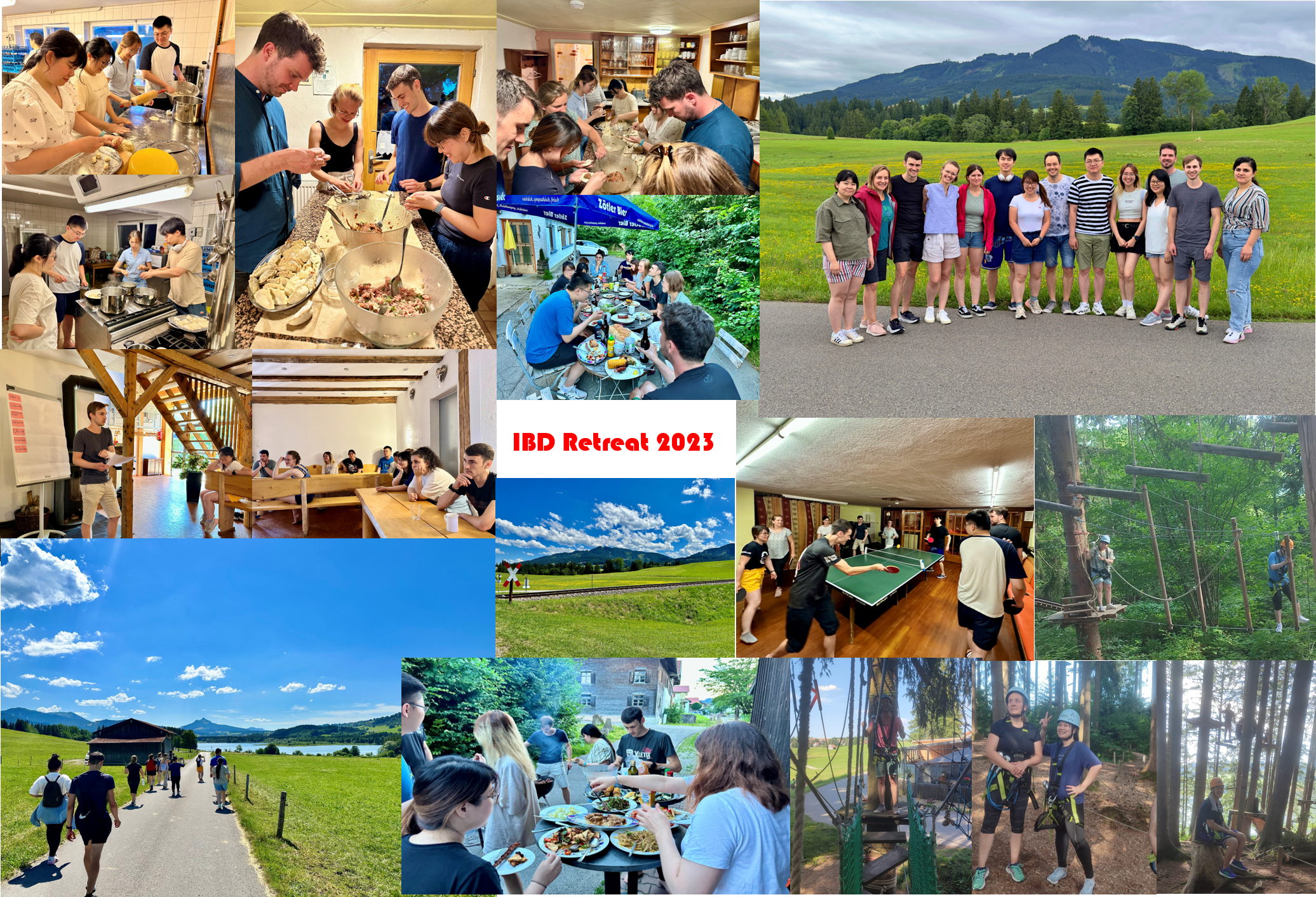
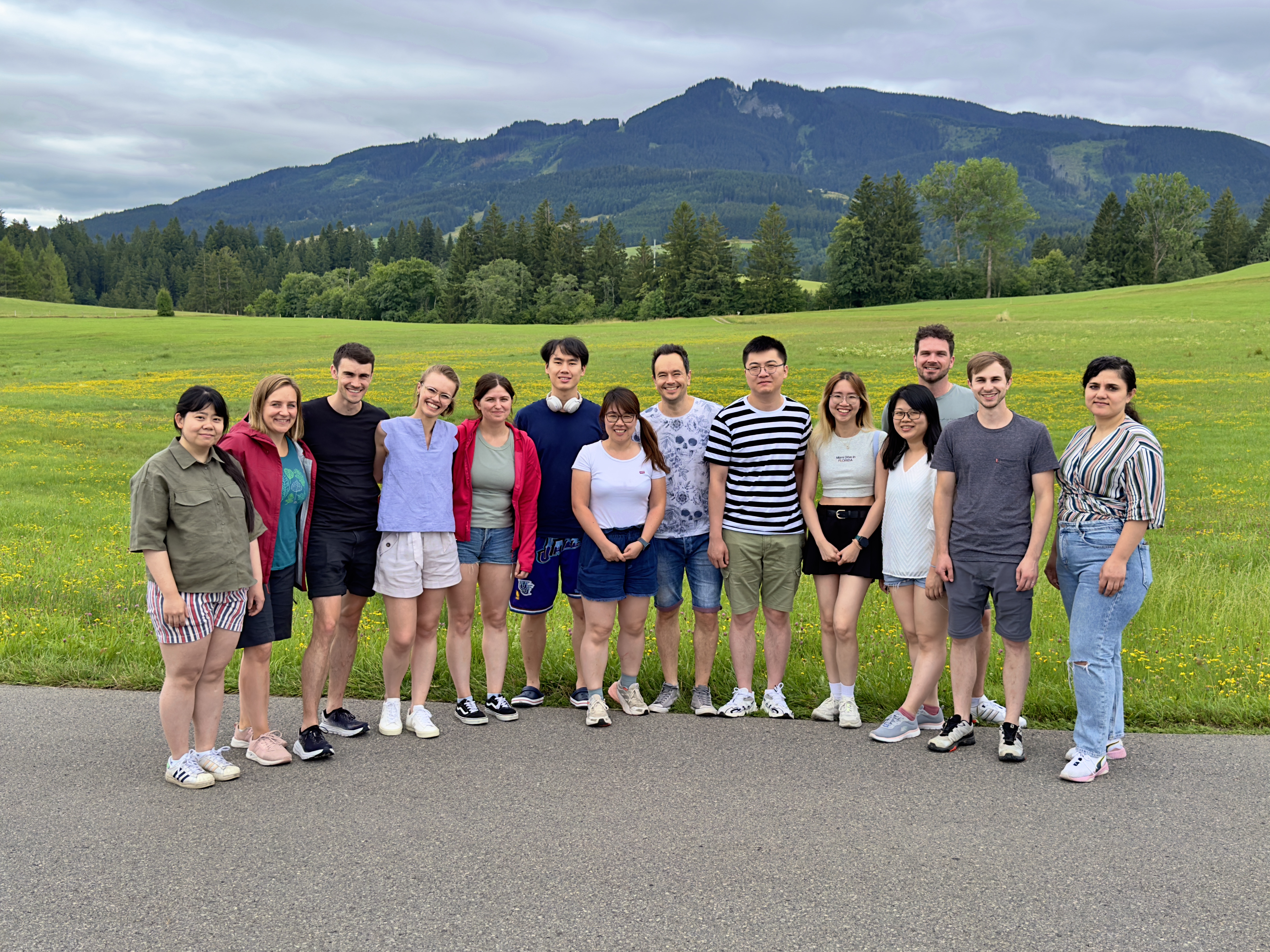
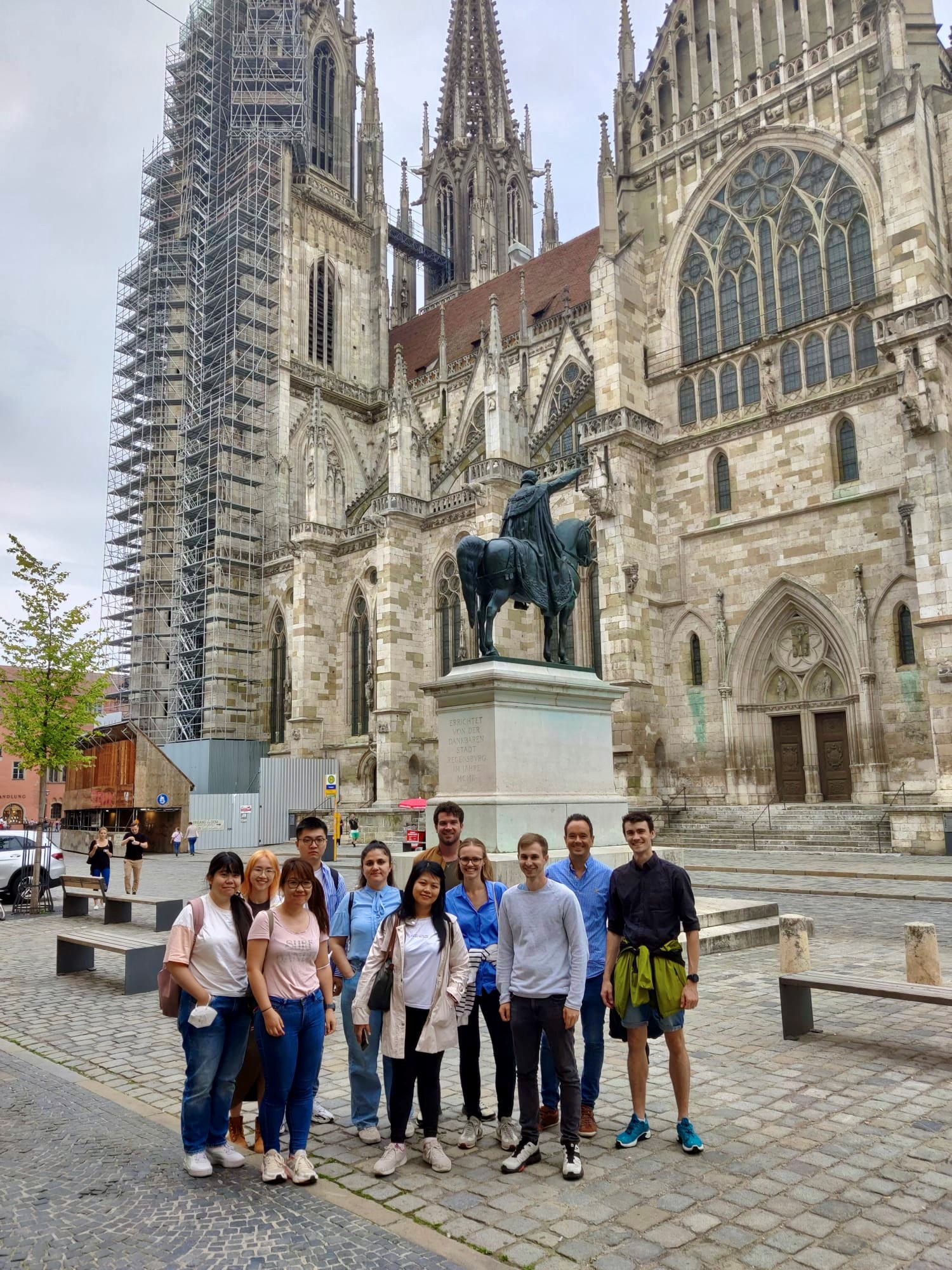
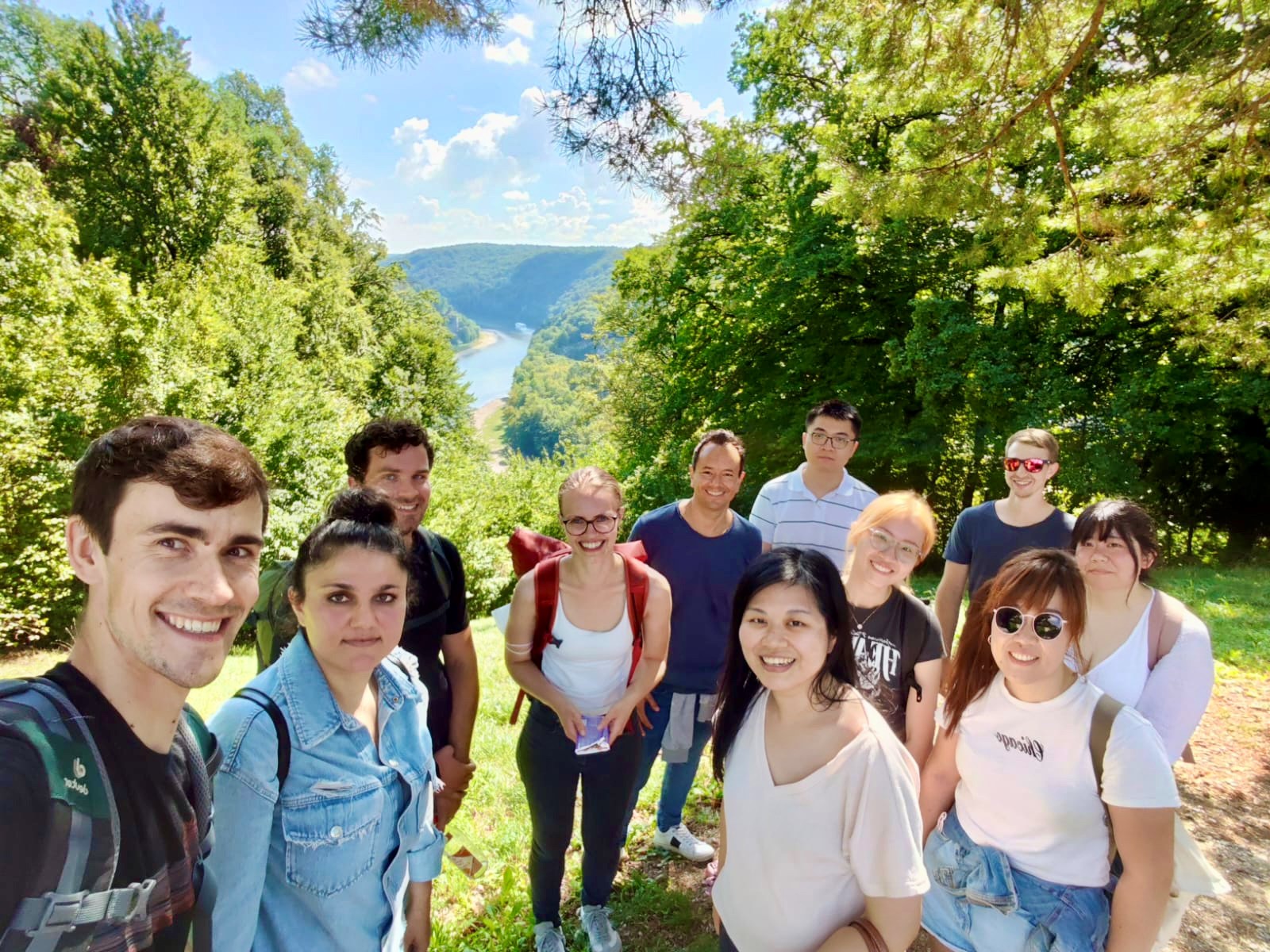
    • Impressions

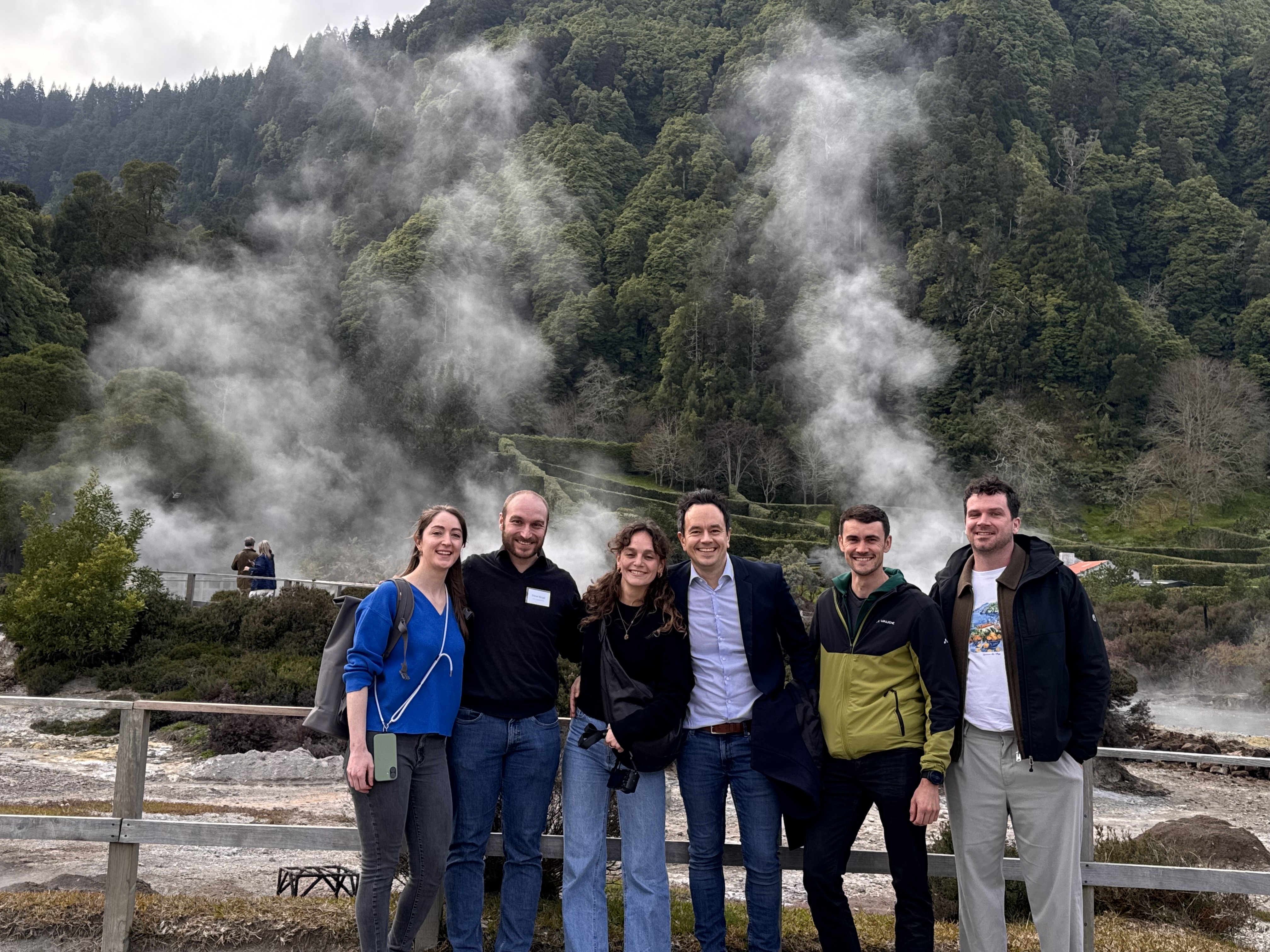
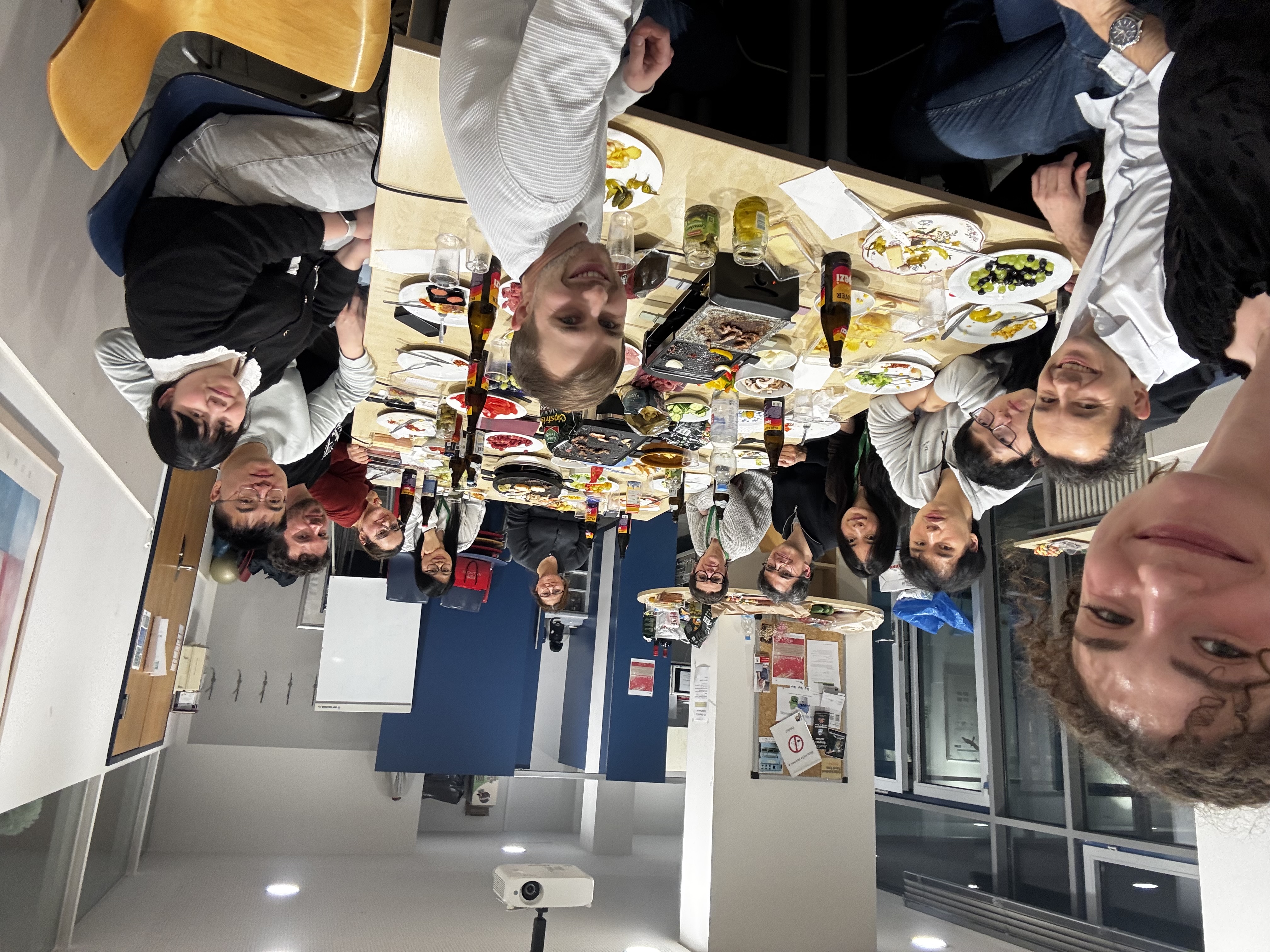
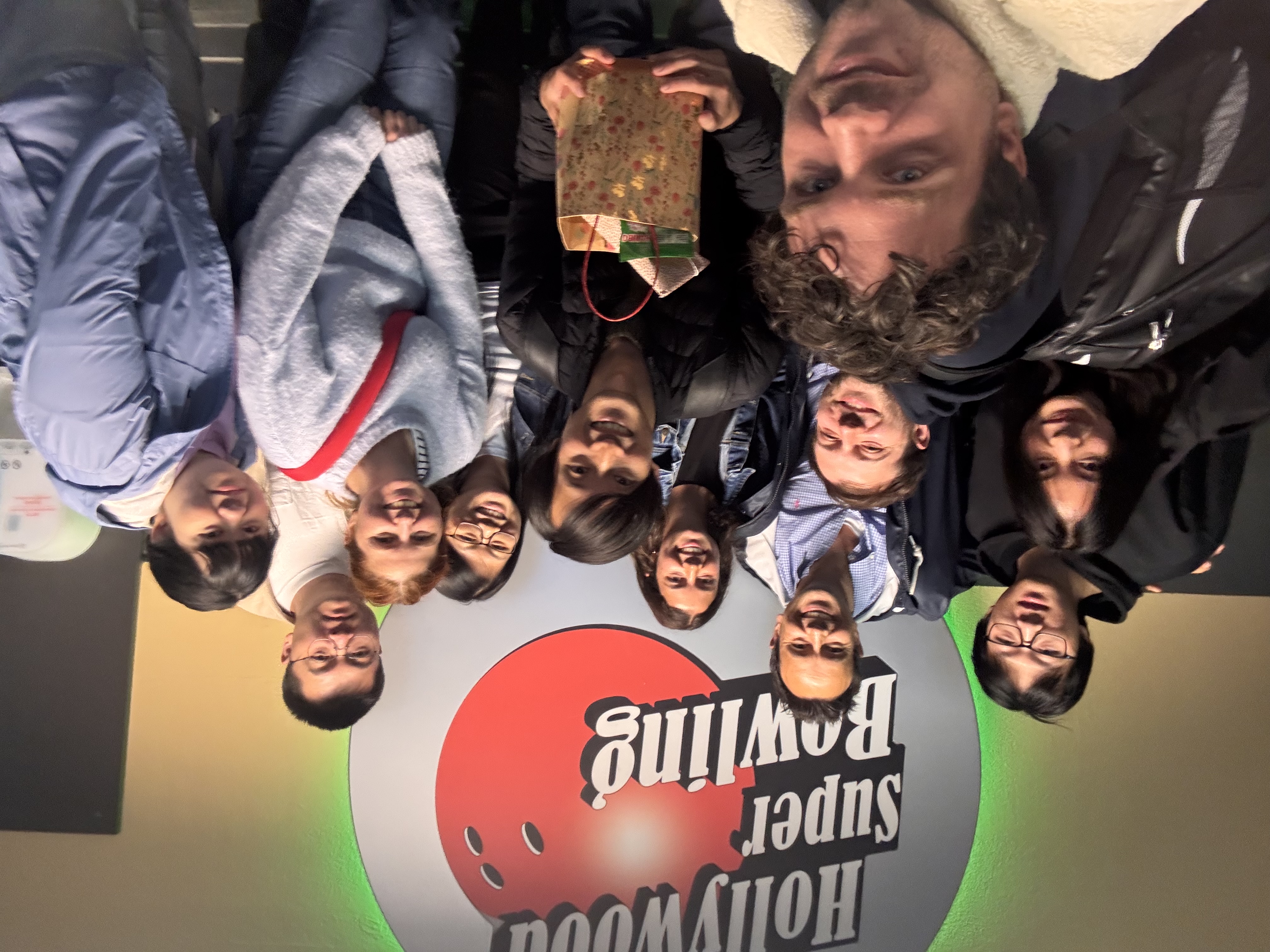
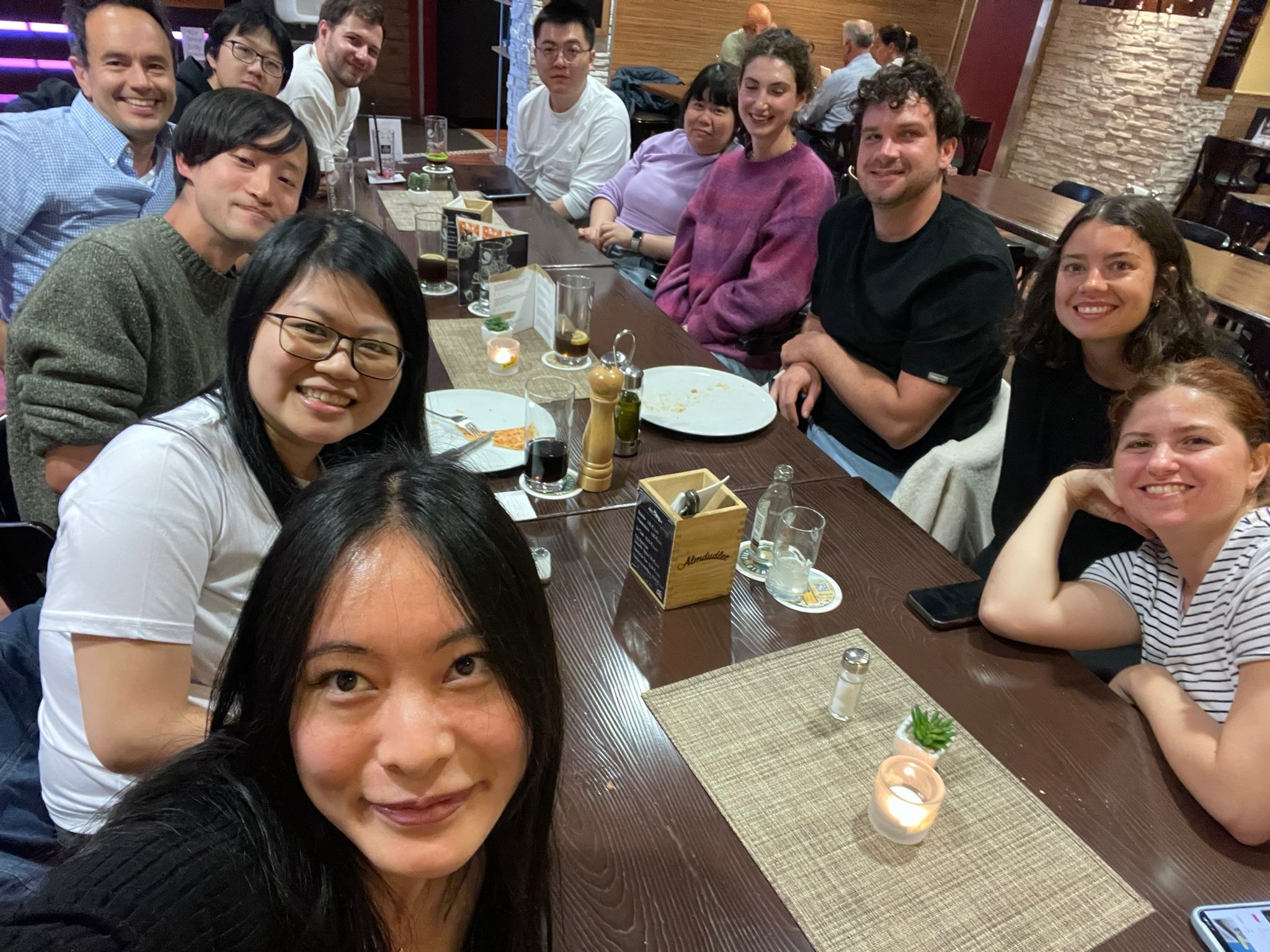
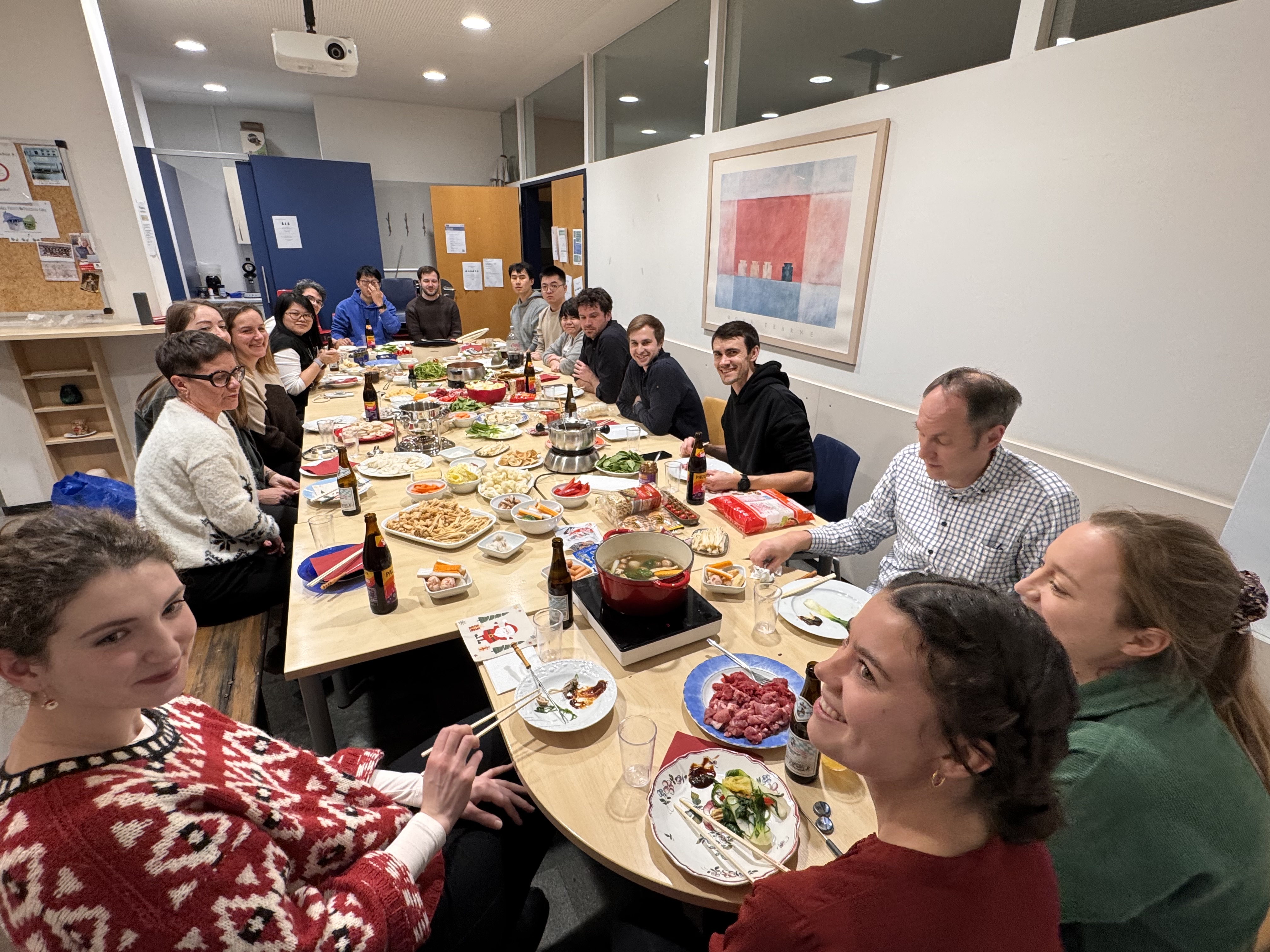
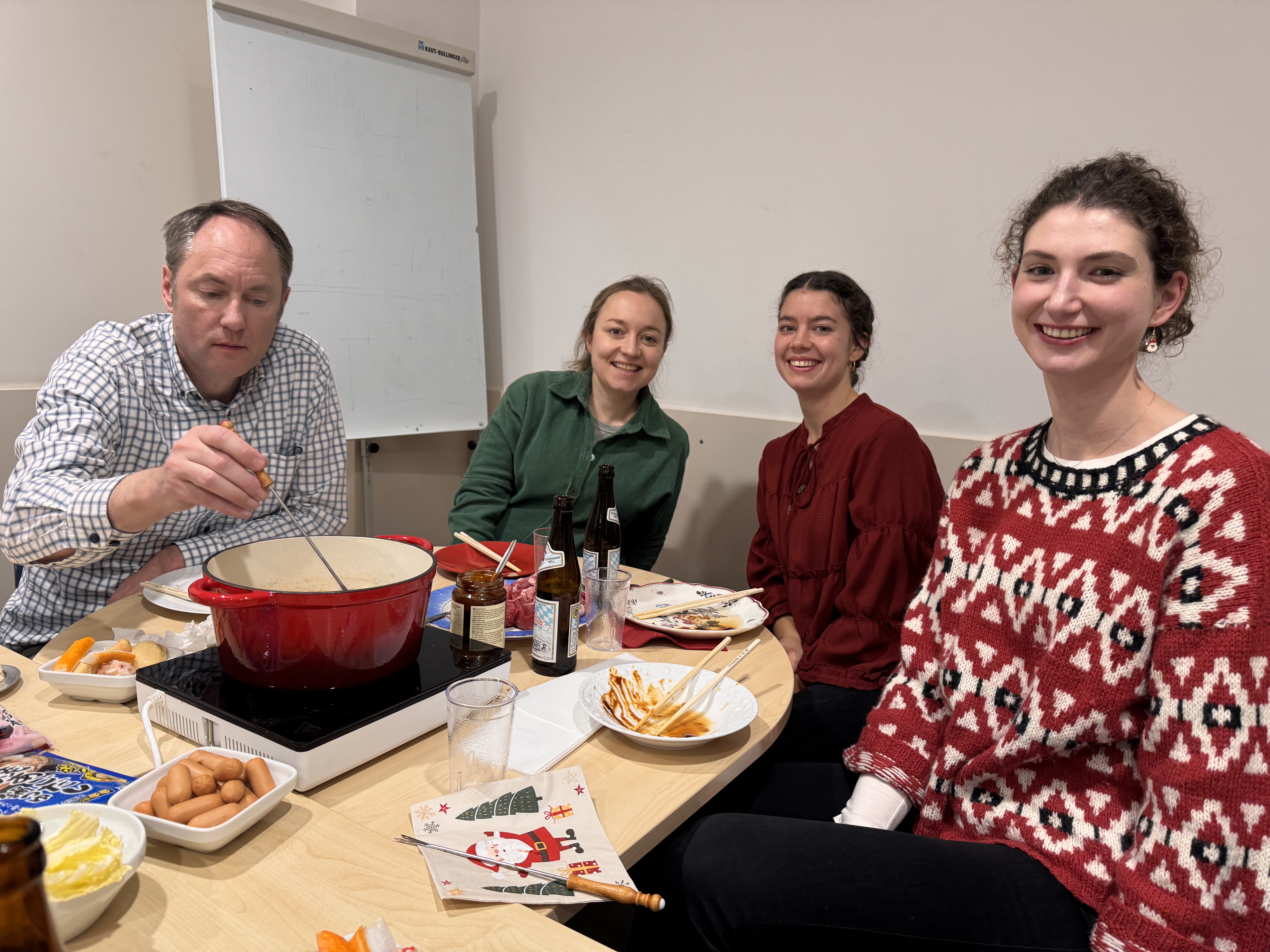
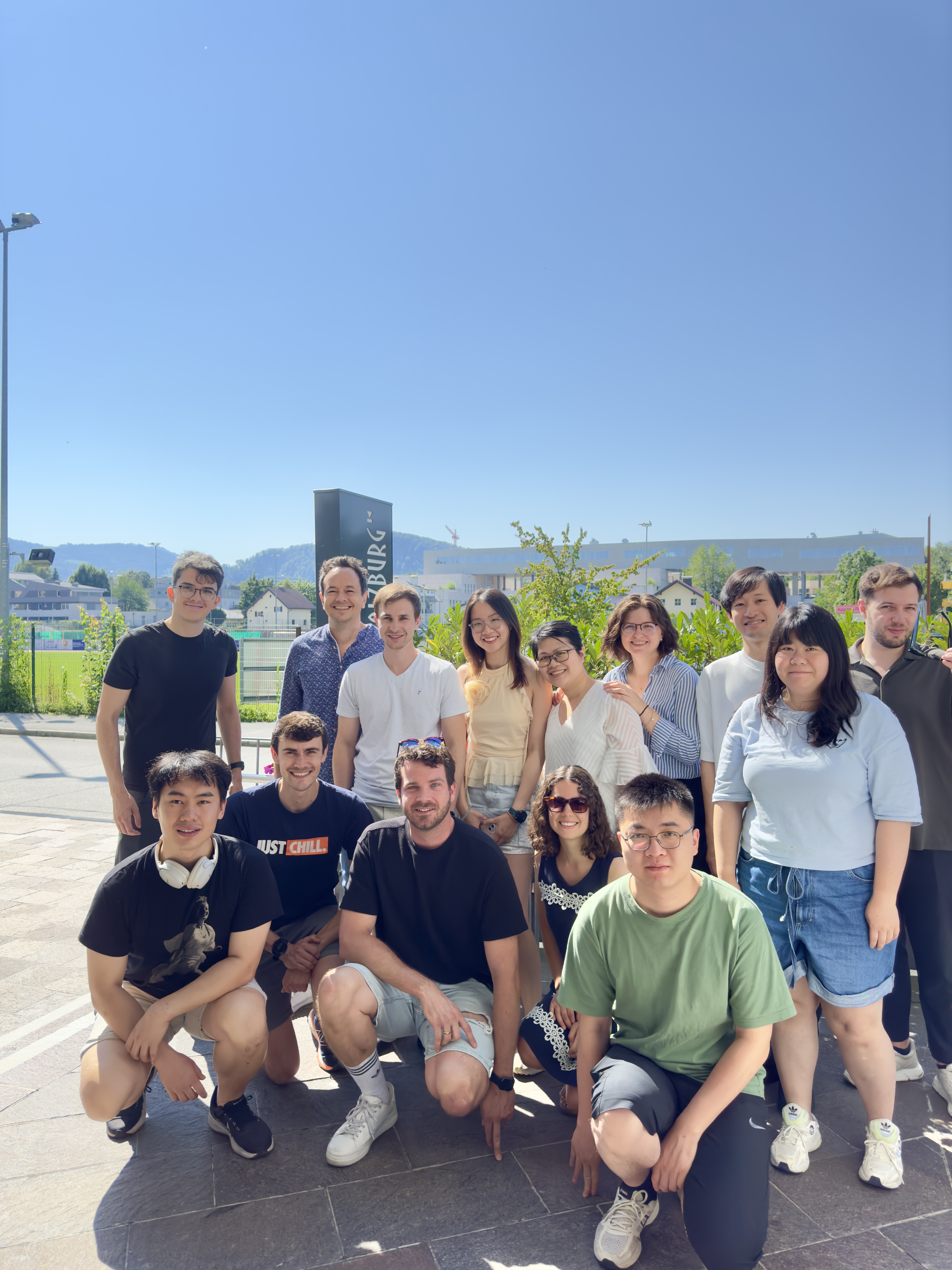
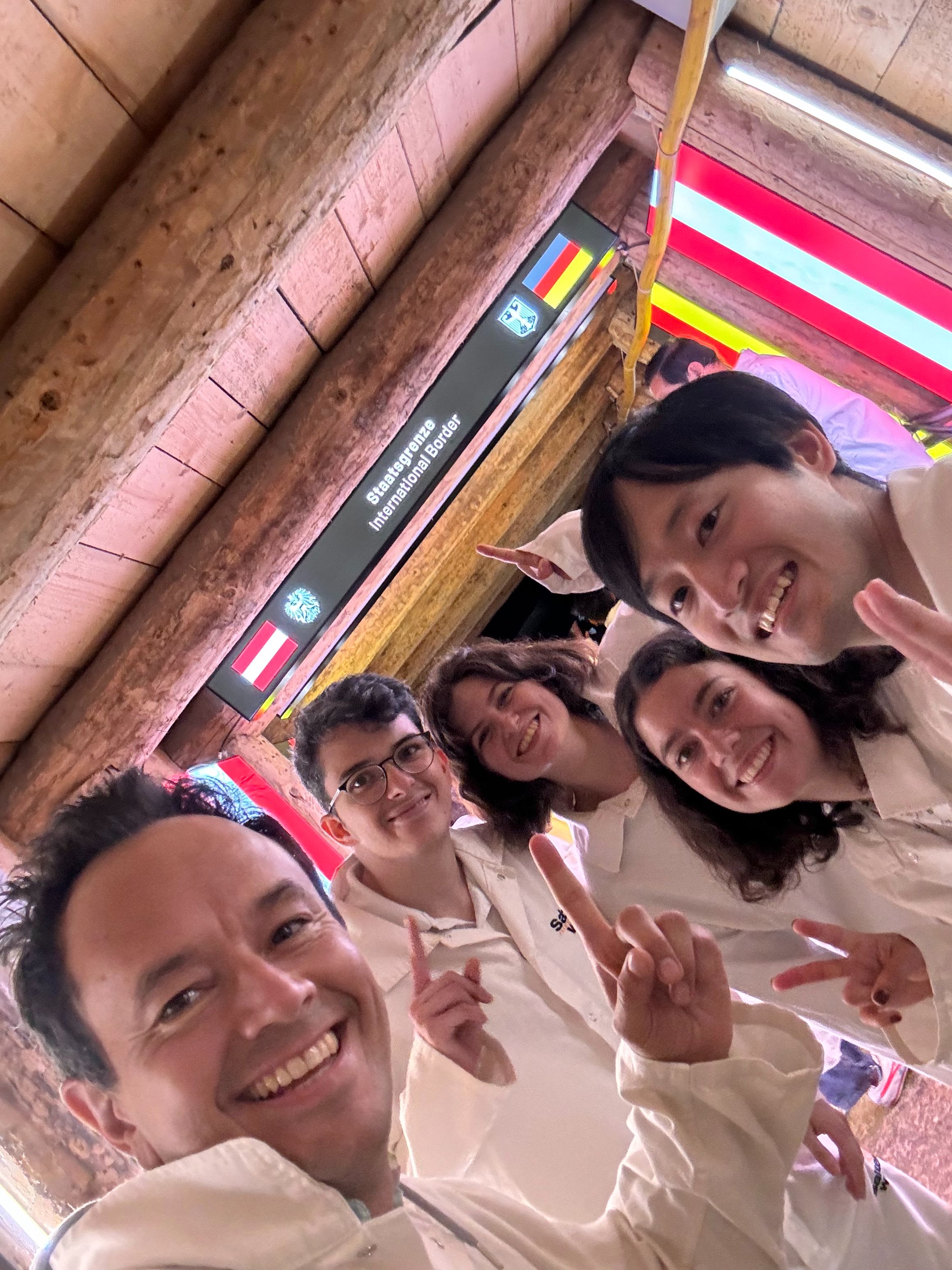
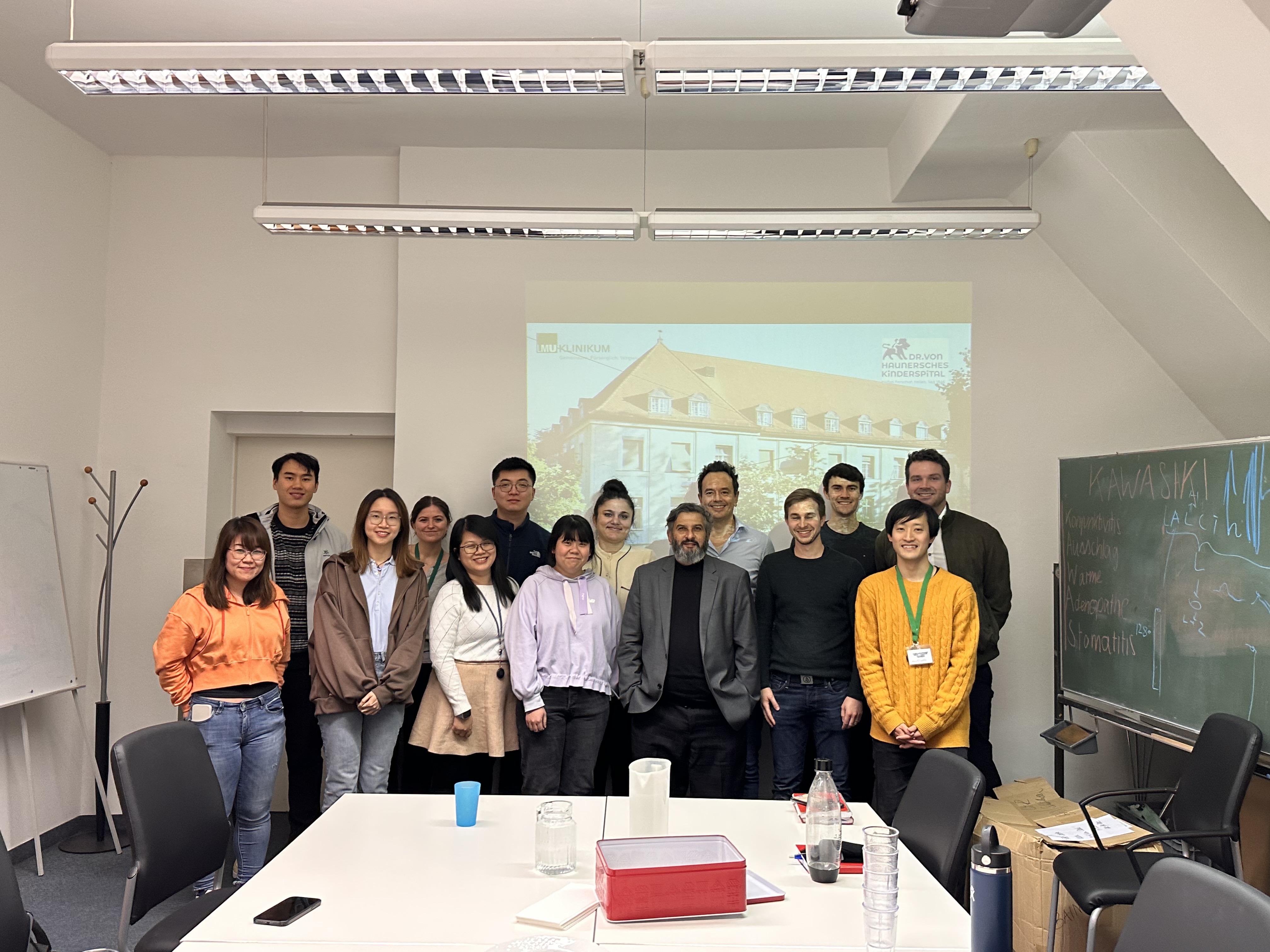
      Lab Retreat in Regensburg

      Social media

      News

      News // March 2020

      Daniel Kotlarz awarded Heinz Maier-Leibnitz Preis

      Read more

      News // May 2021

      CRC/TRR initiative LETSIMMUN funded by DFG

      Read more
    • Kotlarz Lab


      Kinderklinik und Kinderpoliklinik im Dr. von Haunerschen Kinderspital,

      Klinikum der Universität München, LMU München

      Postal Address:  

      Lindwurmstr. 4

      D-80337 Munich

      Germany

      Phone: +49 89 4400 57985

      Shipment of patient samples (please contact via Email prior to shipment):

      Dr. von Haunerschen Kinderspital

      Forschungszentrum KUBUS

      AG Klein

      Lindwurmstr. 2a

      D-80337 Munich

      Germany

      Phone: +49 (0)89 - 4400 - 57985

    Research at CCRC Hauner

    Contact LMU Klinikum

    Contact CCRC Hauner

    Haunersches

    CCRC Hauner - Comprehensive Childhood Research Center

    Kinderklinik und Kinderpoliklinik

    im Dr. von Haunerschen Kinderspital

    Ludwig Maximilians Universität München

    Lindwurmstr. 4

    80337 Munich, Germany


    Editor login
    Imprint | Data-Safety